USC Norris Comprehensive Cancer Center
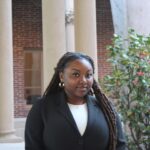
Aniya Harris
Aniya Harris, a Health Promotion and Disease Prevention student at USC, interned in the CHOICES Lab under Dr. Chanita Hughes-Halbert. Her project, Stress Reactivity, Nicotine Addiction, and Neighborhood Disadvantage Among Black and White Male Smokers, advanced her goal of integrating clinical practice, research, and community engagement to address health disparities. Her research poster was selected by ABRCMS 2025.

Celine Li
Celine Li, a Computational Neuroscience and Neural Engineering student at USC, gained hands-on experience in both preclinical and clinical research under the mentorship of Drs. Thomas Chen and Axel Schonthal, where she studied new therapeutic approaches for glioblastoma, one of the most aggressive forms of brain cancer. Her work spanned cell culture and animal models, providing valuable exposure to translational research methods that will inform her future academic and professional path.
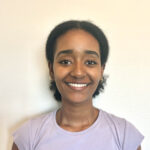
Fibi Berhane
Fibi Berhane, a Global Health student at USC, spent her internship under Dr. Mariana Stern. Her project, Determinants of Generalized Self-Efficacy Among Hispanic/Latino Colorectal Cancer Patients in the ENLACE Study, examined social and demographic factors influencing self-efficacy in cancer patients, with the goal of informing tailored interventions to improve outcomes and participation in research trials among underserved populations.
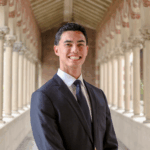
John Wehn
John Wehn, a Quantitative Biology student at USC, conducted research in Dr. Rongfu Wang’s Lab. His project, Small Molecule Inhibitors Induce Antigen Expression to Enhance Bispecific CAR-T Efficacy in Gastric Cancer, tested whether small molecule inhibitors could increase claudin protein expression and improve the tumor-killing efficacy of engineered CAR-T cells in gastric cancer.
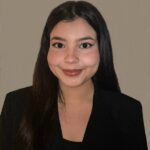
Lucia Posada-Reyes
Lucia Posada-Reyes, a Molecular, Cellular, and Developmental Biology student at USC, conducted research under the mentorship of Dr. Fumito Ito. Her project, The Influence of Sun Exposure Across Ages and Genders: Assessing Its Role in Skin Cancer Risk, explored how early-life UV exposure habits, sunscreen misuse, and behavioral patterns contribute to rising skin cancer rates, particularly among non-Hispanic white women and older men.
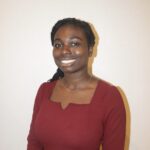
Mabel Frimpong
Mabel Frimpong, a Neuroscience major at Bryn Mawr College, worked in the Dr. Adam De Smith Lab. Her project, Analysis of a Putative Novel Risk Locus for Acute Lymphoblastic Leukemia in Children with Down Syndrome, investigated the role of the TPX2 gene on chromosome 20 in the development of leukemia in children with Down Syndrome using droplet digital PCR (ddPCR).

Michelle Yu
Michelle Yu, a Health Promotion and Disease Prevention student at USC, contributed to cancer survivorship research under Dr. Miller’s mentorship. Her projects included a literature review on environmental exposures and late effects in childhood cancer survivors, recruitment for the Health and Community in Asian Americans (HACAA) study, and research on cultural influences on mental health outcomes in Asian American survivors, culminating in a poster submitted to ABRCMS 2025.

Natalia Gerovian
Natalia Gerovian, a Biological Sciences student at UC Santa Barbara, investigated the transcription factor SPDEF in prostate cancer under the mentorship of Dr. Suhn Kyong Rhie. The experience allowed her to develop key laboratory skills and broaden her exposure to translational cancer research.

Scarlet Affa
Scarlet Affa, a Chemistry major at UCLA, interned at Children’s Hospital Los Angeles under the mentorship of Dr. Liya Xu. Her project, Characterization and Functional Annotation of Germline RB1 Variants from Peripheral Blood Mononuclear Cells in Retinoblastoma Patients, analyzed the genetic landscape of retinoblastoma in more than 240 patients, solidifying her interest in ophthalmology and rare pediatric diseases.

Shannon Liang
Shannon Liang, a Chemical Engineering student at USC, interned in Dr. Nicholas Graham’s Lab. Her project, Testing the Potential Cytotoxic Effects of a VDR Agonist on Temozolomide-Resistant Glioblastomas, examined whether Vitamin D Receptor agonists could reduce MGMT expression and enhance treatment effectiveness in glioblastoma, the most common brain cancer in adults.
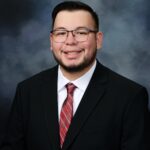
Benjamin Alonzo
Benjamin Alonzo, studying Human Biology at USC, interned in Dr. Adam De Smith’s Lab and worked on a project focused on Acute Lymphoblastic Leukemia.
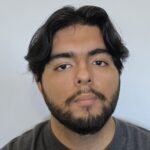
David Maguellal Jr
David Maguellal Jr., a Biochemistry major at California State University–Northridge, gained valuable research training through this internship under the mentorship of Dr. Sandra Algaze. His work introduced him to laboratory research practices and helped shape his future career interests in the biomedical sciences.

Laila Ward
Laila Ward, a Human Biology major and Law and Social Justice minor at USC, conducted research on breast-to-brain cancer metastasis focusing on biomarkers of tumor microenvironment colonization under Dr. Josh Neman’s mentorship. In recognition of her work, she was awarded the ACS Trailblazer Award in 2025.

Lucia Miguel
Lucia Miguel, a first-generation student at California State University–Northridge, explored health disparities in cancer research under the mentorship of Dr. Albert Farias. Her project deepened her understanding of systemic inequities in healthcare and reinforced her commitment to improving health outcomes in marginalized communities.
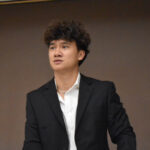
John Tran
John Tran is a first-generation graduate dedicated to improving healthcare access for refugees and underserved communities. With a passion for addressing healthcare disparities, he is committed to driving meaningful change and advocating for equitable care to uplift and empower those in need through advancements in AI-driven healthcare research.