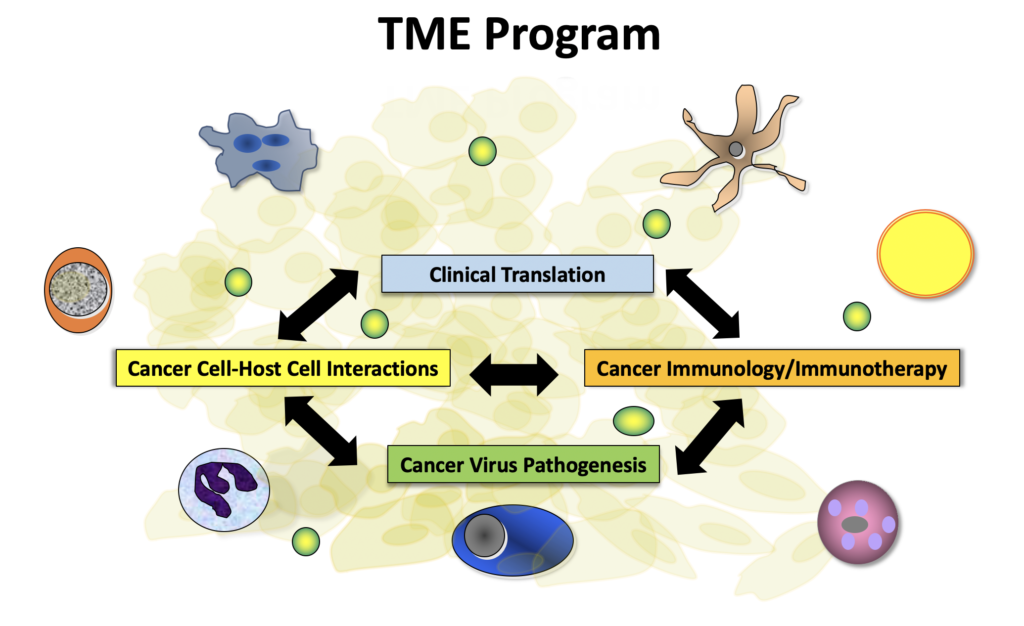
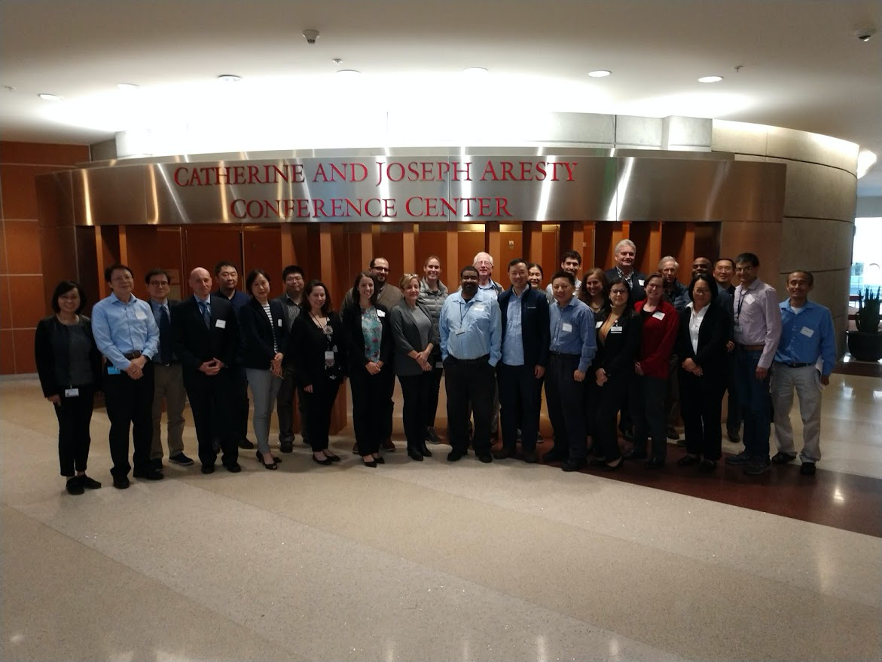
The program leaders are Saul Priceman, PhD, a renowned tumor immunologist and national leader in cellular immunotherapy, and Evanthia Roussos Torres, MD, PhD who has expertise in immune-oncology with a specific interest in breast cancer and the tumor immune suppressive microenvironment. The program brings together 36 members from 12 departments in four schools at USC with expertise and research interests in inflammation, tumor-stroma interaction, metastasis, angiogenesis, Kaposi sarcoma-associated herpesvirus (KSHV), human papillomavirus (HPV) & hepatitis C (HCV)-mediated oncogenesis, and cancer immunotherapy. In the last five years, basic science discoveries by TIME members’ research has led to four investigator-initiated clinical trials in the TACS and CCR programs. Research by the members has a unique impact on specific populations of the LA County catchment area, particularly children (neuroblastoma and childhood ALL), Asians (liver cancer), and Hispanic women (HPV-induced cervical cancer). Also noteworthy is TIME-led cancer education of a very diverse group of students ranging from elementary school to post graduate school, in collaboration with CRTEC.